
- BETTING TIPS
 Premier League
 FA Cup
 League Cup
 La Liga
 Copa del Rey
 Super Cup
 Champions League
 Europa League
 Europa Conference League
 World Cup
 Euro Championship
 Nations League
 Africa Cup of Nations
 Copa America
 International Friendly
 Confederations Cup
 Serie A
 Coppa Italia
 Super Cup
 Bundesliga
 Ligue 1
 DFB Pokal
 Super Cup
 Malaysia Super League
 Coupe de France
 Trophée des Champions
 Pro League
- Teams
- Premier League
- FA Cup
- League Cup
- La Liga
- Copa del Rey
- Super Cup
- Champions League
- Europa League
- Europa Conference League
- World Cup
- Euro Championship
- Nations League
- Africa Cup of Nations
- Copa America
- International Friendly
- Confederations Cup
- Serie A
- Coppa Italia
- Super Cup
- Bundesliga
- Ligue 1
- DFB Pokal
- Super Cup
- Malaysia Super League
- Coupe de France
- Trophée des Champions
- Pro League
- Fixtures & Results
- Premier League
- FA Cup
- League Cup
- La Liga
- Copa del Rey
- Super Cup
- Champions League
- Europa League
- Europa Conference League
- World Cup
- Euro Championship
- Nations League
- Africa Cup of Nations
- Copa America
- International Friendly
- Confederations Cup
- Serie A
- Coppa Italia
- Super Cup
- Bundesliga
- Ligue 1
- DFB Pokal
- Super Cup
- Malaysia Super League
- Coupe de France
- Trophée des Champions
- Pro League
- Tables
- Premier League
- FA Cup
- League Cup
- La Liga
- Copa del Rey
- Super Cup
- Champions League
- Europa League
- Europa Conference League
- World Cup
- Euro Championship
- Nations League
- Africa Cup of Nations
- Copa America
- International Friendly
- Confederations Cup
- Serie A
- Coppa Italia
- Super Cup
- Bundesliga
- Ligue 1
- DFB Pokal
- Super Cup
- Malaysia Super League
- Coupe de France
- Trophée des Champions
- Pro League
- News
- Premier League
- FA Cup
- League Cup
- La Liga
- Copa del Rey
- Super Cup
- Champions League
- Europa League
- Europa Conference League
- World Cup
- Euro Championship
- Nations League
- Africa Cup of Nations
- Copa America
- International Friendly
- Confederations Cup
- Serie A
- Coppa Italia
- Super Cup
- Bundesliga
- Ligue 1
- DFB Pokal
- Super Cup
- Malaysia Super League
- Coupe de France
- Trophée des Champions
- Pro League
Olimpija Ljubljana
Slovenia
Venue
Olimpija Ljubljana is one of the most historic and successful football clubs in Slovenia. Based in Ljubljana, the capital city of Slovenia, the club is deeply rooted in the country's footballing culture. With a history that stretches back to 1921, Olimpija Ljubljana has played an essential role in shaping the future of Slovenian football. The club is known for its domestic dominance, passionate supporters, and ambition to succeed both at home and internationally.
Olimpija has a rich legacy, with notable achievements in both the Slovenian PrvaLiga and European competitions. The club’s success, strong youth development system, and influential players make it a cornerstone of Slovenian football.
The Early Years of Olimpija Ljubljana
Founding and Establishment (1921-1950s)
Olimpija Ljubljana was founded on November 18, 1921, and quickly became one of the leading clubs in Slovenia. The early years were challenging as the club had to overcome various obstacles, including periods of instability caused by political and social changes in Europe. However, despite these difficulties, Olimpija showed signs of promise.
Match Predictions
- Manchester United vs. Leeds Predictions & Betting Tips on Apr 11 - 22:00 PM
- Liverpool vs. Fulham Predictions & Betting Tips on Apr 11 - 22:00 PM
- Arsenal vs. Bournemouth Predictions & Betting Tips on Apr 11 - 22:00 PM
- Burnley vs. Brighton Predictions & Betting Tips on Apr 11 - 22:00 PM
- West Ham vs. Wolves Predictions & Betting Tips on Apr 11 - 22:00 PM
During the 1930s, Olimpija was becoming a major force in Slovenian football, regularly competing in local tournaments and achieving notable results. While they did not win major titles during this period, the foundation for future success was being laid.
Establishing Success (1960s-1970s)
In the 1960s and 1970s, Olimpija began to assert themselves as one of the dominant clubs in Slovenian football. The team regularly competed for top positions in the league and won several Slovenian championships during this time. They also built a loyal fanbase that remains passionate to this day.
The 1970s marked a period of transformation for the club, with Olimpija becoming a more prominent name in Yugoslavian football, which included participation in higher-level competitions, such as the Yugoslav First League.
Golden Years: 1980s and 1990s
The 1980s: National Glory
The 1980s were a defining decade for Olimpija Ljubljana. The club experienced one of its most successful periods, winning multiple Yugoslav First League titles, as well as several Yugoslav Cups. This era helped cement their reputation as a leading club in the region.
In the 1980s, Olimpija made their mark in European competitions, including a notable run in the European Cup (now UEFA Champions League). While the club did not win major European titles, their performance on the continental stage increased their visibility and prestige.
The 1990s: Transition to Independent Slovenia
With the breakup of Yugoslavia in the early 1990s, Slovenia gained independence, and Olimpija Ljubljana found itself in a new national competition: the Slovenian PrvaLiga. The club’s transition to a newly established league was seamless, as Olimpija immediately began competing for national titles in the newly formed Slovenian football system.
During the 1990s, Olimpija won several Slovenian titles and maintained a dominant position in the league, further cementing their legacy as one of Slovenia's premier clubs. The decade also saw the development of key players who would go on to represent the club with distinction.
Modern Era: 2000s-Present
Dominance in the Slovenian PrvaLiga
The 2000s and 2010s were marked by continued success for Olimpija Ljubljana in domestic competitions. The club regularly challenged for the Slovenian PrvaLiga title and was consistently a contender in Slovenian Cup tournaments. Their ability to maintain a high level of performance on the domestic front ensured their place among the elite of Slovenian football.
In the 2010s, after a brief period of financial instability and ownership changes, Olimpija regained its position as the top team in Slovenian football. The club won several Slovenian PrvaLiga titles and restored its reputation as one of the best teams in the region. Their success at home was accompanied by a growing ambition to make an impact in European football.
European Aspirations
Olimpija Ljubljana regularly competes in European competitions like the UEFA Champions League and UEFA Europa League. Their participation in these prestigious tournaments has allowed them to face some of Europe's elite teams, providing valuable experience for the club and its players. Although Olimpija has yet to make a significant run deep into these competitions, their consistency in qualifying and representing Slovenia on the European stage is highly respected.
The club's performances in UEFA tournaments have bolstered its international reputation and allowed it to attract talented players from around the world.
Olimpija Ljubljana’s Achievements and Trophies
Slovenian PrvaLiga Titles
Olimpija Ljubljana is one of the most successful clubs in the Slovenian PrvaLiga, with numerous league titles to their name. They are one of the top clubs in Slovenia, regularly competing for the championship. The club's dominance in Slovenian football has been evident since the formation of the league after Slovenia's independence.
Slovenian Cup Success
In addition to league titles, Olimpija has been a regular contender in the Slovenian Cup, winning the prestigious domestic cup on multiple occasions. Their success in domestic cup competitions has solidified their reputation as a major force in Slovenian football.
Super Cup Glory
Olimpija has also won the Slovenian Super Cup, an annual competition that pits the league champions against the cup winners. Their strong performances in this competition have further added to the club's impressive trophy cabinet.
Key Players and Legends of Olimpija Ljubljana
Over the years, Olimpija Ljubljana has been home to numerous influential players who have shaped the club’s success. These players have become legends in the eyes of the club's supporters, representing the best of Slovenian football.
Notable Olympija Legends:
- Samir Handanović: A legendary goalkeeper who went on to become one of the best in Europe with Inter Milan.
- Alen Pamić: A key midfielder who played a pivotal role during the club’s successful periods.
- Rok Kronaveter: An influential midfielder known for his leadership and creativity.
- Luka ZahoviÄ: The son of Slovenian football legend Zlatko ZahoviÄ, he has been one of the club's most talented players.
These and many other players have contributed to the club's legacy, both domestically and internationally.
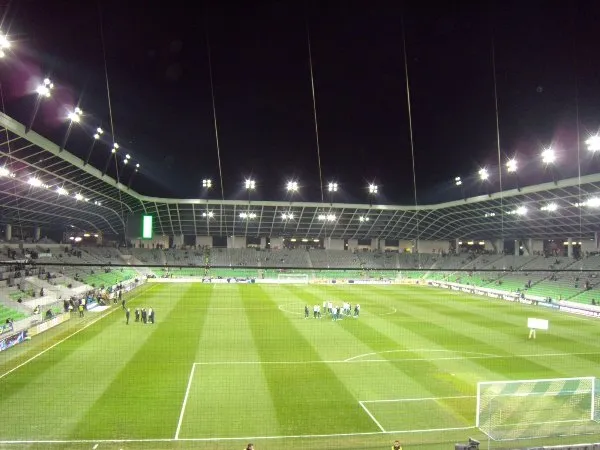
Olimpija Ljubljana’s Iconic Stadium: Stadion Stožice
Olimpija Ljubljana plays its home matches at the Stadion Stožice, a modern football stadium located in the Ljubljana district of Slovenia. With a capacity of 16,038, the stadium is one of the largest in Slovenia and provides an excellent atmosphere for fans to support their team.
The Stadion Stožice has hosted numerous important matches, both in domestic and European competitions, and remains a central part of Olimpija's identity. The club's supporters create an electric atmosphere during matches, making it a fortress for their team.
Olimpija Ljubljana’s Fanbase and Rivalries
Passionate Fans
Olimpija Ljubljana is known for having one of the most passionate and dedicated fanbases in Slovenia. The club's supporters, known as the Green Dragons, are fiercely loyal and create an incredible atmosphere during home games. The Green Dragons are famous for their vocal support, colorful displays, and unwavering loyalty to the club.
Major Rivalries
Olimpija’s main rivalry is with Maribor, the other top club in Slovenia. Matches between these two teams are always highly anticipated, known as the Eternal Derby of Slovenian football. The rivalry between Olimpija and Maribor is intense, with both clubs competing for domestic supremacy. These derbies are some of the most exciting fixtures in the Slovenian PrvaLiga and attract attention from fans across the country.
The Future of Olimpija Ljubljana
Looking forward, Olimpija Ljubljana remains committed to competing at the highest level in both Slovenian football and European competitions. With a rich history, a dedicated fanbase, and a strong squad, the club aims to continue building on its legacy of success. The future of Olimpija Ljubljana is bright, as they strive to achieve greater accomplishments on both the domestic and international fronts.
News & Updates