
- BETTING TIPS
 Premier League
 FA Cup
 League Cup
 La Liga
 Copa del Rey
 Super Cup
 Champions League
 Europa League
 Europa Conference League
 World Cup
 Euro Championship
 Nations League
 Africa Cup of Nations
 Copa America
 International Friendly
 Confederations Cup
 Serie A
 Coppa Italia
 Super Cup
 Bundesliga
 Ligue 1
 DFB Pokal
 Super Cup
 Malaysia Super League
 Coupe de France
 Trophée des Champions
 Pro League
- Teams
- Premier League
- FA Cup
- League Cup
- La Liga
- Copa del Rey
- Super Cup
- Champions League
- Europa League
- Europa Conference League
- World Cup
- Euro Championship
- Nations League
- Africa Cup of Nations
- Copa America
- International Friendly
- Confederations Cup
- Serie A
- Coppa Italia
- Super Cup
- Bundesliga
- Ligue 1
- DFB Pokal
- Super Cup
- Malaysia Super League
- Coupe de France
- Trophée des Champions
- Pro League
- Fixtures & Results
- Premier League
- FA Cup
- League Cup
- La Liga
- Copa del Rey
- Super Cup
- Champions League
- Europa League
- Europa Conference League
- World Cup
- Euro Championship
- Nations League
- Africa Cup of Nations
- Copa America
- International Friendly
- Confederations Cup
- Serie A
- Coppa Italia
- Super Cup
- Bundesliga
- Ligue 1
- DFB Pokal
- Super Cup
- Malaysia Super League
- Coupe de France
- Trophée des Champions
- Pro League
- Tables
- Premier League
- FA Cup
- League Cup
- La Liga
- Copa del Rey
- Super Cup
- Champions League
- Europa League
- Europa Conference League
- World Cup
- Euro Championship
- Nations League
- Africa Cup of Nations
- Copa America
- International Friendly
- Confederations Cup
- Serie A
- Coppa Italia
- Super Cup
- Bundesliga
- Ligue 1
- DFB Pokal
- Super Cup
- Malaysia Super League
- Coupe de France
- Trophée des Champions
- Pro League
- News
- Premier League
- FA Cup
- League Cup
- La Liga
- Copa del Rey
- Super Cup
- Champions League
- Europa League
- Europa Conference League
- World Cup
- Euro Championship
- Nations League
- Africa Cup of Nations
- Copa America
- International Friendly
- Confederations Cup
- Serie A
- Coppa Italia
- Super Cup
- Bundesliga
- Ligue 1
- DFB Pokal
- Super Cup
- Malaysia Super League
- Coupe de France
- Trophée des Champions
- Pro League
Jagiellonia
Poland
Venue
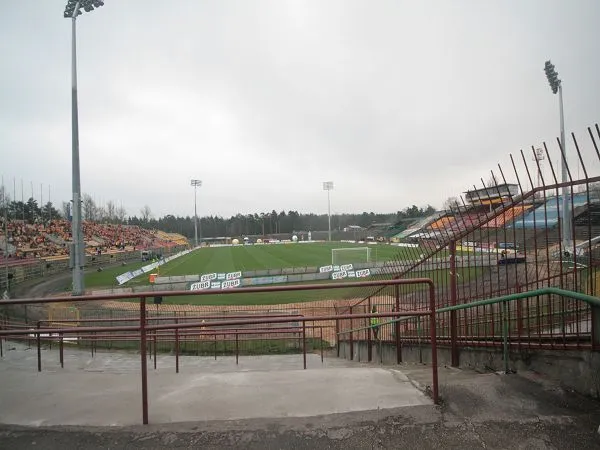
Jagiellonia Białystok, commonly referred to as Jagiellonia FC, is a prominent football club based in Białystok, Poland. Founded in 1920, Jagiellonia has steadily become a key force in Polish football, competing in the country's top division, the Ekstraklasa. With a rich history, passionate supporters, and consistent success, the club has earned a respected position in Polish football culture.
The Early Years of Jagiellonia FC
Jagiellonia was founded in 1920, marking the beginning of a long and storied footballing tradition in the region of BiaÅ‚ystok. Initially, the club played in regional leagues and lower divisions, slowly building its reputation within Polish football. As time went on, Jagiellonia began to climb through the ranks, and by the 1950s and 1960s, they had established themselves as one of the country’s top clubs.
However, it wasn’t until the late 20th century that the club truly began to shine in the Ekstraklasa, Poland’s top-tier football league. Throughout its history, Jagiellonia has managed to balance competitive success with fostering young talent, ensuring both short-term victories and long-term stability.
Match Predictions
- Wolves vs. Liverpool Predictions & Betting Tips on Mar 07 - 04:00 AM
- Mansfield Town vs. Arsenal Predictions & Betting Tips on Mar 07 - 20:15 PM
- Wrexham vs. Chelsea Predictions & Betting Tips on Mar 08 - 01:45 AM
- Newcastle vs. Manchester City Predictions & Betting Tips on Mar 08 - 04:00 AM
- Fulham vs. Southampton Predictions & Betting Tips on Mar 08 - 20:00 PM
Jagiellonia FC’s Rise in Polish Football
The club’s biggest achievements came in the 2000s and 2010s, as Jagiellonia firmly cemented itself as one of the most important clubs in the Ekstraklasa. Jagiellonia consistently finished in the upper half of the league and earned places in European competitions, such as the UEFA Europa League. Their rise in Polish football was marked by a steady progression, building a strong team that included both domestic and international talent.
One of Jagiellonia's greatest successes came in the 2016-2017 season, where the club finished in 2nd place in the Ekstraklasa, earning a coveted spot in the UEFA Europa League qualifiers. This achievement highlighted the club's increasing prominence within Polish football and its ambitions to compete at a European level.
The Jagiellonia Fanbase: Passion and Loyalty
Jagiellonia’s supporters are known for their unwavering loyalty and passionate backing of the team. The club’s fanbase, often referred to as the "Jaga" fans, plays a central role in the club’s identity. The supporters are dedicated, vocal, and proud of their club, creating an electric atmosphere during home games at the Stadion Miejski.
The bond between the fans and the team is built on shared history, pride in the region, and a love for the club that spans generations. The passion of the Jagiellonia fanbase can be felt throughout every match, whether it’s a routine league game or a high-stakes encounter in European competition.
Iconic Players in Jagiellonia FC’s History
Over the years, Jagiellonia has produced numerous talented players who have contributed significantly to the club's success. Some of the most notable figures in the club’s history include:
-
Tomasz Frankowski: One of the club’s legendary strikers, Frankowski played a pivotal role in Jagiellonia’s successes in the early 2000s. He became a fan favorite due to his impressive goalscoring ability and his leadership on the field.
-
Kamil Grosicki: A standout winger who played for Jagiellonia in the late 2000s, Grosicki later went on to have a successful career in top European leagues and for the Polish national team. His time at Jagiellonia helped elevate the club’s profile in Polish football.
-
Maciej Gajos: A key midfielder for Jagiellonia, Gajos was instrumental in the club’s success during their rise in the 2010s. His ability to control the midfield and contribute to both attacking and defensive duties made him a vital player for the team.
-
Martin Pospíšil: A standout foreign player who played for Jagiellonia in the 2010s, Pospíšil’s performances in the midfield helped the club achieve its domestic successes and European qualification.
Jagiellonia BiaÅ‚ystok’s Domestic Success
While Jagiellonia’s success on the European stage is still developing, the club has a solid track record of domestic triumphs. The club has won the Polish Cup and finished near the top of the Ekstraklasa several times in its history. Their 2010-2011 Polish Cup victory was a key milestone, showcasing the club's ability to perform well in knockout competitions.
Jagiellonia's league performances have consistently placed them in the top half of the Ekstraklasa, making them a strong contender in Polish football year after year. Despite stiff competition from other Polish heavyweights like Legia Warsaw and Lech PoznaÅ„, Jagiellonia remains a fixture in the league’s top tier.
European Ambitions: Aiming for the UEFA Stage
One of the club’s major goals in recent years has been to establish themselves as a consistent contender in European competitions. Jagiellonia’s participation in the UEFA Europa League was a significant milestone, and the club continues to aim for regular appearances in international competitions.
The club’s growing success in domestic competitions, along with the development of young talent, is gradually positioning them to challenge more established clubs in Europe. Playing against the top teams from across the continent offers Jagiellonia an opportunity to grow in stature and build their international reputation.
Stadion Miejski: The Heart of Jagiellonia FC
Stadion Miejski, Jagiellonia’s home ground, is a vibrant and modern stadium that serves as the heart of the club. The stadium, which has a seating capacity of around 22,000, is known for its passionate and loud atmosphere, especially during important matches in the Ekstraklasa and European qualifiers.
The fans’ loyalty and the intensity of the crowd make Stadion Miejski one of the most electrifying places to watch football in Poland. The stadium is not only a place for matches but also a symbol of the club’s commitment to growth and success.
The Future of Jagiellonia FC
Jagiellonia FC is in the midst of a new era, as the club continues to focus on its growth and future ambitions. The club’s youth academy, which has produced many talented players, is an essential part of Jagiellonia’s future. The goal is to develop young Polish talent and integrate them into the first team, ensuring that the club’s success can continue for generations to come.
The future also involves further international expansion, with Jagiellonia aiming to secure regular qualification to European competitions. The club’s leadership and coaching staff are focused on building a competitive team that can challenge for the Ekstraklasa title and make an impact on the European stage.
News & Updates